



Dr. Sarah Mackenzie
Lead Physiotherapist, Calibrate
Movementshould reduceyour pain.
"Movement should reduce your pain, not test your courage."
A digital program built by physiotherapists and pain scientists for people living with fibromyalgia, persistent back pain, and chronic musculoskeletal conditions.
The PainScientist.
Dr. James Okafor explains why persistent pain is a nervous system phenomenon — and why that's actually good news.

Dr. James Okafor
"Most of my patients have been told their scans are 'not that bad.' What they haven't been told is that the scan measures tissue — not pain. Pain lives in the nervous system, and the nervous system can learn new things."
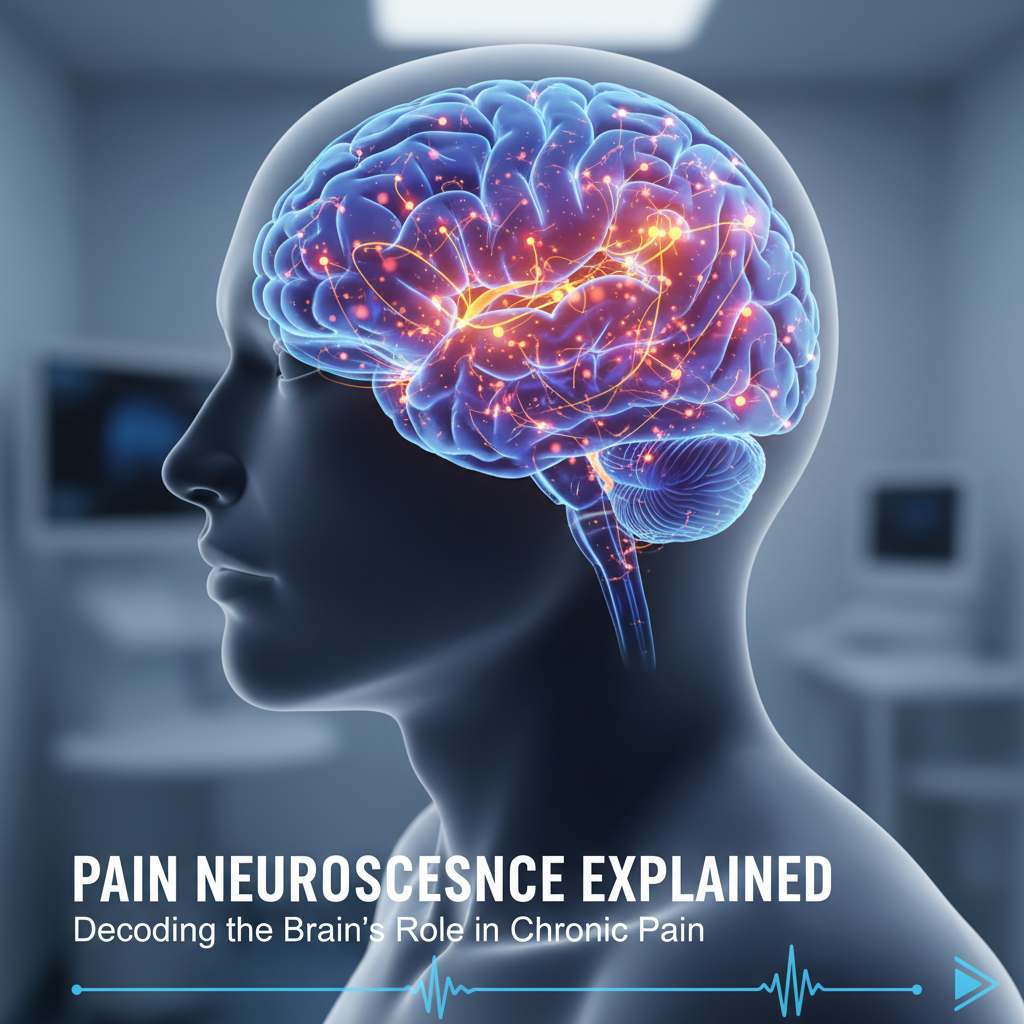
Why Your Pain Is Real — Even When Scans Look Normal
8 min · Free to watch
"Pain is an output of the brain, not a direct measure of tissue damage. Understanding this changes everything about how we treat it."
Moseley & Butler, 2015 — Explain Pain Supercharged
NOI Group Publications
"Graded exposure to movement reduces central sensitisation by 34% over 8 weeks in patients with chronic musculoskeletal pain."
Vlaeyen et al., 2021
Pain (journal), Vol. 162
"Pain doesn't mean damage. Sensitised nerves are like a smoke alarm with a low battery — they fire at the slightest signal."
This is why the Calibrate program starts with understanding before movement. When you know why your nervous system is overprotecting you, the exercises become a conversation — not a confrontation.
The MovementCoach.
Priya Nair, Exercise Physiologist, explains how graded movement protocols differ from standard physio — and why that difference is everything for persistent pain.
12-Week Protocol Arc
Calibrate StandardGentle range-of-motion. Zero pain provocation. Building nervous system confidence.
Controlled loading at 40% tolerance. Monitoring response over 24 hours post-session.
Progressive increase of 10% weekly. Introducing varied movement planes.
Functional integration. Preparing for independent maintenance without flares.
Protocols are matched to your primary pain area and duration. Back pain protocols differ structurally from widespread fibromyalgia programs.


Priya Nair
"The mistake I see everywhere is programs that treat pain as the enemy of exercise. We treat pain as information. It tells us exactly how fast to go."
Pain is not the target
We never "push through." Calibrate protocols operate within your current pain window — expanding it gradually.
10% rule, always
Load increases no more than 10% per week. This is the rate at which connective tissue adapts safely.
24-hour response window
You should feel no worse 24 hours after exercise than before. That is our benchmark, not how you feel mid-session.
ThePsychologist.
Dr. Lena Fischer addresses the part of chronic pain nobody talks about in a GP's office: the psychological architecture that keeps the nervous system on guard.

Dr. Lena Fischer
"Chronic pain changes how you think. Catastrophising, hypervigilance, fear of movement — these aren't character flaws. They're learned responses. And learned responses can be unlearned."
"Fear-avoidance beliefs predict disability more accurately than pain intensity in patients with chronic low back pain."
Waddell et al., 1993 — replicated 2018 (Leeuw)
Spine, Vol. 18 · Pain Medicine

The Fear Loop: Why Your Brain Keeps the Alarm On
11 min · Free to watch
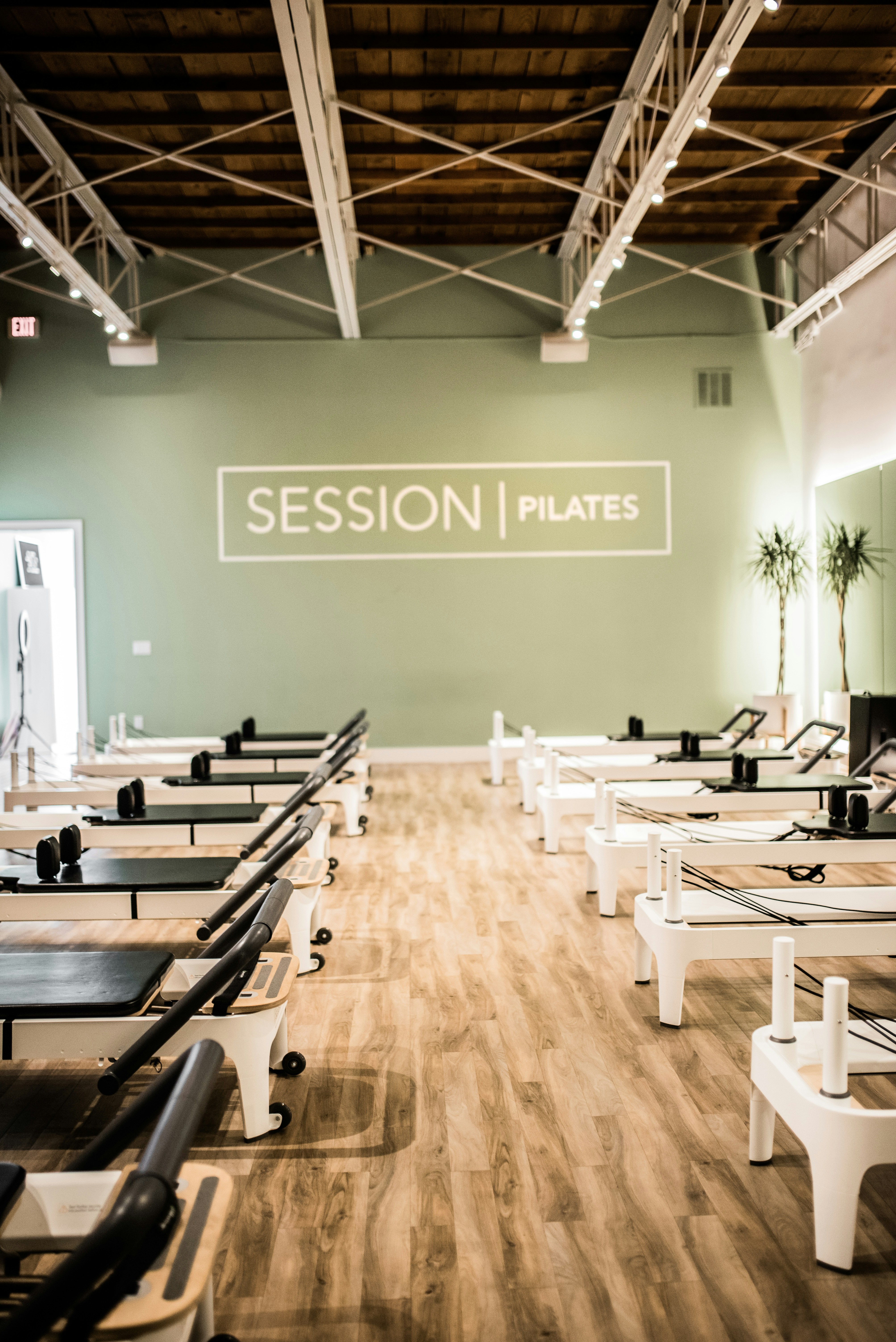
"I cancelled Pilates for the seventh time in a row. Not because I'm lazy — because I was terrified of making it worse. Calibrate was the first program that understood that fear is part of the pain."

"My GP said 'just keep moving.' James's module was the first time anyone explained what that actually means for someone whose body has been in fight-or-flight for three years."

"The neck tension had become daily headaches. The psychology module helped me understand the catastrophising loop I was in. Understanding it broke it."
No single expert holds the whole answer.
That's not a limitation — it's the point. Pain science, graded movement, and psychology are not separate modules. They're three angles on the same problem. The Calibrate program integrates all three because your nervous system doesn't separate them either.
Tell us whereit hurts.
Three fields. A personalized PDF exercise sequence, matched to your pain area and how long you've been living with it — built by the same team you just heard from.
Download Your Starter Protocol
Watch the Full Panel Discussion
All three experts. One 38-minute conversation about why chronic pain is complex and what actually helps. Email only — no conditions asked.
One email. The link. Nothing else.
Built on evidence
You've reached the protocol